In 2026, the AI conversation has shifted decisively from hype to hard math. Enterprises are no longer dazzled by demos—they’re asking whether agentic AI and generative AI can deliver measurable outcomes against KPIs, cost targets, and operational ROI. And among all categories of AI, these two are facing the most scrutiny.
The promise is substantial. Gartner predicts that agentic AI will autonomously resolve 80% of common customer service issues by 2029. But promise isn’t proof.
So let’s move past the noise and examine what these emerging AI models can actually deliver—and where the real constraints and opportunities lie for the enterprise.
What is generative AI?
Generative AI is exactly what the name implies. It is artificial intelligence that can create, or generate, new content based on prompts—be it text, images, reports, or code.
If you’ve ever used ChatGPT to draft an email or create a caricature of yourself (remember that trend?), you’ve used generative AI. In fact, the “G” in GPT stands for “Generative,” which reflects its ability to produce new content from learned patterns.
Generative AI can be used to:
- Respond to prompts and questions
- Create content such as text, images, or video
- Revise and edit content
- Generate, refine, and debug code
What is agentic AI?
If generative AI broke ground for artificial intelligence, agentic AI is breaking barriers. Agentic AI uses generative models as a foundation, but layers on the ability to reason, plan, and autonomously execute tasks across multiple systems. These systems act more like digital workers than tools.
For example, if generative AI helps you write an email, agentic AI can then draft the email, log into your CRM, pull the latest customer data, update the account record, schedule a follow‑up task, and send the email.
Agentic AI can be used to:
- Retrieve and synthesize data from trusted sources
- Complete tasks leveraging multiple sources or platforms
- Stitch tasks together to execute complex workflows
- Retain history and context from previous sessions to “learn” and refine outcomes
What are the key differences between generative and agentic AI?
In short: generative AI creates output, while agentic AI acts.
Core function
The core function of generative AI is content creation, spanning multiple formats such as text, images, music, and video. It helps businesses quickly create unique content to meet specific needs, outlined by prompts.
In contrast, agentic AI is focused on managing and executing multistep tasks. It helps businesses optimize workflows, automate tasks, and enhance productivity to break down complex tasks into simple automations.
Autonomy
Generative AI relies on user prompting in order to execute on clear, predefined tasks.
With agentic AI, agents can act more autonomously. Agentic AI doesn’t just respond to prompts, but rather can take contextual understanding and use it to make decisions or trigger actions. They don’t need as many instructions, and can also work with backend systems to take action on behalf of the user.
Reasoning and execution
Generative AI relies on input to create output, whereas agentic AI is self-sustaining with the ability to make decisions and keep a process going.
Agentic AI retains memory and context across sessions, contributing a feedback loop for continuous learning and refinement. Outcomes that work will be retained while outcomes that fail will be discarded and avoided.
Integrations
Generative AI can remain self-contained within the LLM, limited to its training data.
Agentic AI has limited functionality unless connected with external systems, APIs, and real-time data sources. AI agents require access to various tools, such as CRMs, ticketing systems, knowledge bases, and email platforms, to effectively translate intelligence into action. Recently, Model Context Protocol (MCP) Servers have become popular as a standardized method for granting access to these systems, empowering agentic AI functionalities.
Human-in-the-loop role
With generative AI, humans create prompts, review outputs, and guide quality. It’s a collaborative writing or coding partner.
With agentic AI, humans act more like supervisors or auditors. They set goals, approve actions, monitor performance, and intervene when needed. The focus shifts from directing tasks to managing outcomes.
What are common use cases for generative and agentic AI?
Both generative and agentic AI unlock value, but they excel in different roles depending on the complexity of the work.
Generative AI use cases
- Customer service: Generative AI powers automated responses to common inquiries such as order tracking, refund requests, or FAQs. This reduces ticket volume, speeds up responses, and ensures consistency.
- Marketing: Writing marketing content such as emails, social posts, blog content, product descriptions, and ad copy.
- Software development: Suggesting code snippets, debugging errors, and documenting functions.
Agentic AI use cases
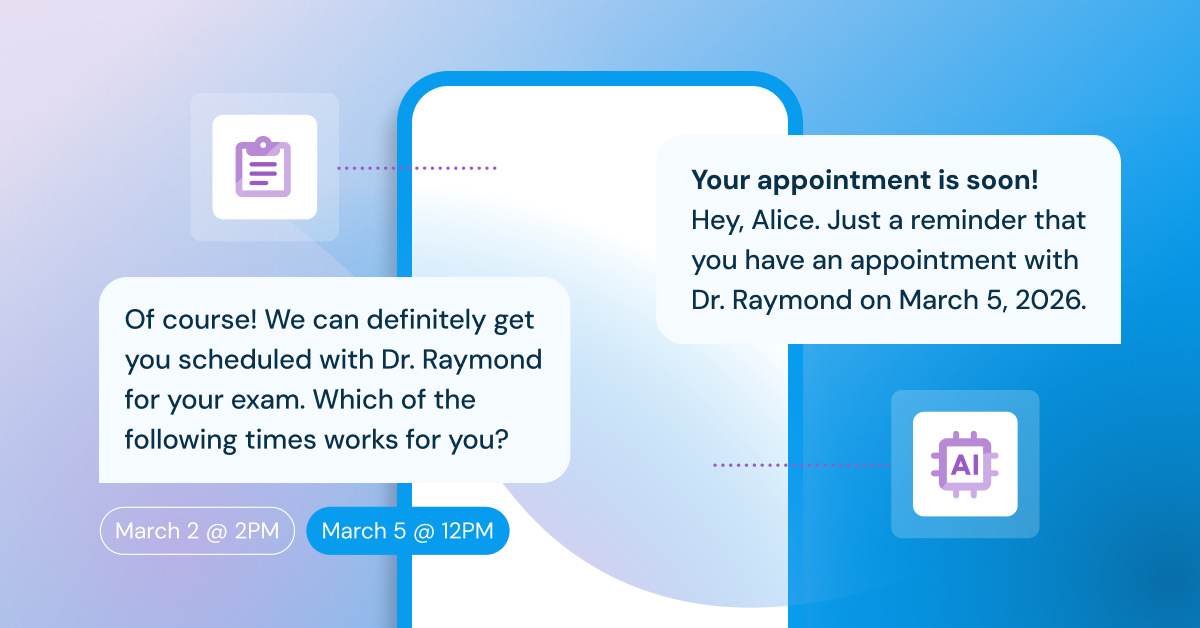
- Customer service: Agentic AI understands user intent, context, and tone, enabling it to take proactive steps to resolve issues. It can access backend systems, update orders, retrieve account details, or escalate issues—all in real time and with minimal human involvement.
- Operations automation: Agents can monitor workflows, manage tickets, trigger alerts, reconcile data, or coordinate tasks across multiple systems.
- Sales and CX: Automatically updating CRMs, generating follow-up sequences, preparing account summaries, or scheduling activities.
- IT and support: Troubleshooting issues, escalating incidents, performing diagnostics, and taking corrective action.
Better together
Generative and agentic AI hold a lot of potential for how they can improve efficiency and productivity, and meaningfully impact employee and customer experiences. These tools are most impactful when used together, with generative AI serving as a valuable input or execution step as a part of a larger agentic workflow. For enterprises, this combination unlocks the best of both worlds: smarter content creation and fully autonomous operations.
If you’re ready to explore how to bring agentic AI into your enterprise communications stack, check out Bandwidth’s MCP Server, available now!