Patient loyalty is no longer a given; it’s determined by how easily individuals can connect with your platform.
Drawing from our annual survey of US patients, this report delivers actionable insights into shifting consumer expectations, communication pain points, and the precise triggers that cause patients to switch providers.
You’ll learn how patients prefer to communicate about:
Routine logistics: Appointment scheduling, confirmations, and billing updates.
Administrative workflows: Pre-appointment intake forms and prescription refills.
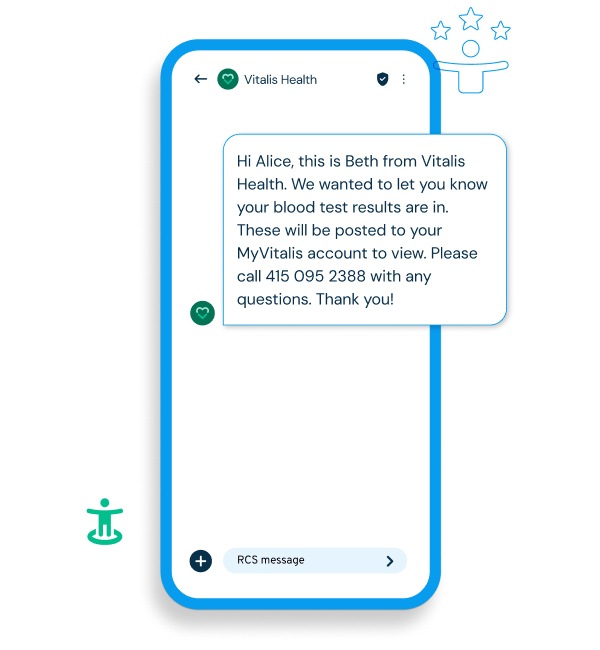
High-stakes communication: Receiving test results and managing care changes.
In an era of seemingly infinite options across industries, consumers have realized they don’t have to suffer subpar service. In fact, half of all bad experiences now lead consumers to cut their spending.¹ They will move from a brand, a service, or a provider the moment they sense their needs will be better accommodated elsewhere. And healthcare is proving to be no different.
Healthcare is a human transaction, and having communication that feels human is key to patient retention. Today, patient expectations for how they are reached have never been higher. They demand seamless ease and convenience. They want to see behind the curtain—knowing exactly who is messaging them, where AI is involved, and how their data is protected. Above all, they want a say in how they are contacted.
The data is unambiguous: When patient expectations aren’t met, they find a new provider. Drawing from a study of 1,000 US patients, this report outlines three critical areas where healthcare networks and platforms must act: Friction, Transparency, and Choice. Together, they form a blueprint for communication that creates churn-proof patient experiences.
Survey
Methodology and demographics
With this report, we set out to better understand the expectations and preferences patients have when communicating with and receiving updates from their healthcare providers.
1000
Individuals surveyed
18
Years or above in age
United States
Residents
1 year
Time period within which they’ve visited their healthcare provider recently
April 2026
Survey run timeframe
Friction
The cost of operational hurdles
Friction in patient communication is expensive, draining both revenue and long-term retention. Nearly half of all patients report that specific communication frustrations would prompt them to switch providers. These deficiencies stem directly from systemic design flaws—systems built for organizational convenience rather than patient utility.
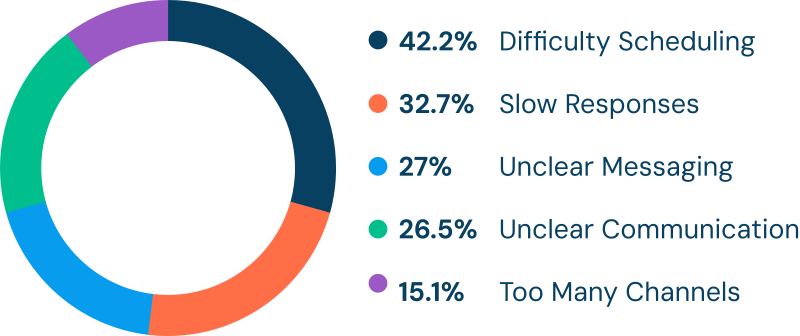
Which communication issues would most likely cause you to switch providers?
The Critical Friction Points
Delayed care coordination: Clunky scheduling and slow response times that communicate unimportance
Ambiguous messaging: Unclear clinical instructions that force manual follow-ups.
Fragmented channels: Disconnected outreach from separate departments.
The velocity gap
Difficulty scheduling appointments and slow provider response times are two sides of the same coin, combining to form the largest operational threat to patient retention. Scheduling issues are the single most cited communication-related reason patients switch providers (42.2%), while general response latency influences another 32.7% to look elsewhere.
Together, these metrics reveal a profound velocity gap: patients expect real-time orchestration, but traditional healthcare workflows deliver delays.
This issue is acute among younger and working-age adults, whose experiences with modern digital services dictate an expectation of real-time acknowledgment. When a response lags, it signals to patients that their concern isn’t a priority, prompting them to actively evaluate alternatives.
Because the baseline technology to support these workflows already exists, closing this gap is a matter of proper platform and EHR configuration, not new tech investment.
Clarity is mandatory for retention
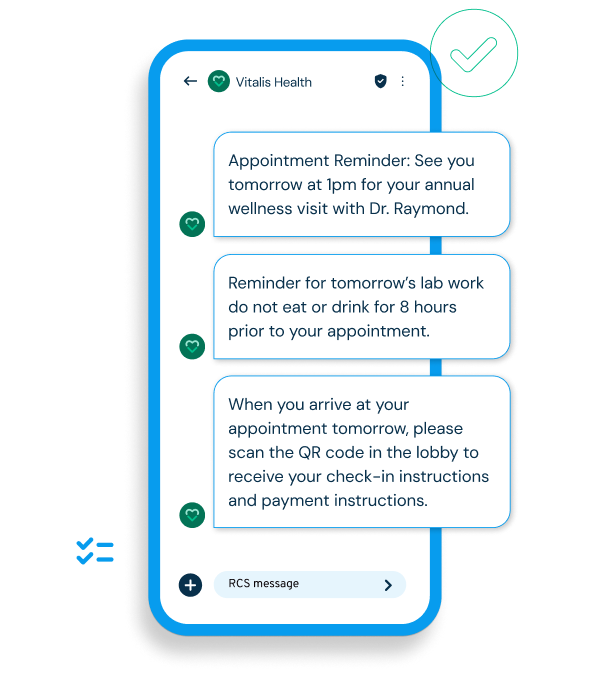
Message clarity directly impacts retention, with unclear instructions (27.0%) and ambiguous communication (26.5%) combining to form the third-largest driver of patient churn.
Resolving this requires deliberate attention to message composition rather than new technological investments. Avoidable friction includes:
Instructions assuming patient familiarity with complex clinical workflows.
Reminders requiring a phone call just to clarify the text.
Clear, specific, and actionable communication drives reliable patient actions and correlates with higher overall satisfaction.
The threat of channel fragmentation
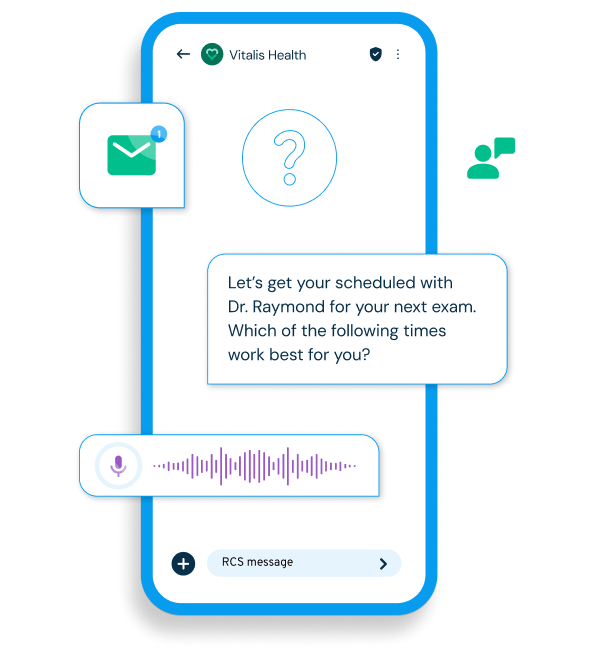
Siloed outreach frustrates 15.1% of patients. This fragmentation occurs when a scheduling system sends a text, billing sends an email, and a clinical line leaves a voicemail—all regarding the same appointment, with no central coordination.
For health systems operating across multiple facilities, uncoordinated outreach poses a severe brand risk. For software platforms, it highlights the necessity of platform-level communication orchestration. Because the patient experiences care as a single journey, the underlying communication infrastructure must operate as a unified system.
Transparency
Trust as a core feature
Amid frequent data breaches and widespread AI automation, trust has evolved from a baseline assumption into an active requirement that infrastructure must continuously earn. Today, patients evaluate health interactions with sharp pragmatism; in fact, security and privacy concerns dictate the loyalty of 31.1% of patients. Any perceived vulnerability in handling personal health information (PHI) immediately threatens the provider relationship. To protect this relationship, health systems cannot rely on hidden safeguards—trust requires visible transparency.
Guardrails for AI integration
Comfort with AI-driven communication among patients
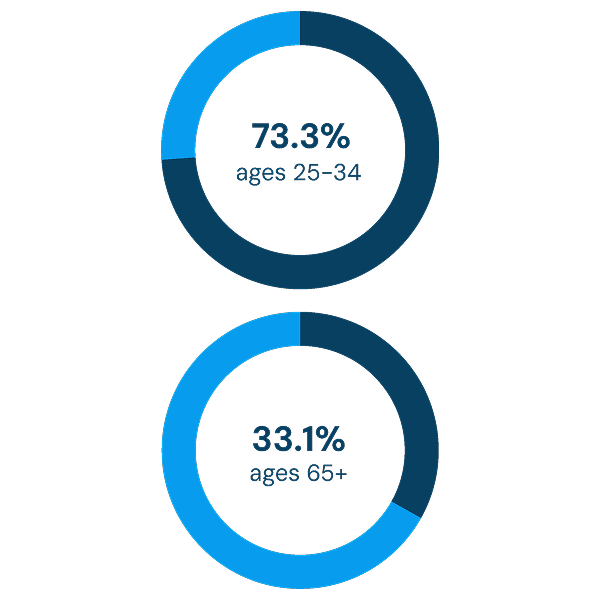
While 50.1% of patients accept AI for communication tasks, this comfort depends heavily on demographic and contextual boundaries.
The age gradient: Comfort with AI-driven communication peaks at 73.3% among ages 25–34, dropping steadily to 33.1% for patients 65 and older.
The contextual boundary: Patients accept AI for logistics, but that comfort drops sharply for clinical touchpoints. Success requires establishing a clear boundary between administrative utility and personal care.
Administrative utility
Personal care
👍 Appointment Reminders (59.3%)
👎 Test results (37.4%)
👍 Prescription Updates (49.3%)
👎 General tips/health education (29.3%)
👍 Billing Reminders (43.5%)
The blueprint for earning trust
AI acceptance hinges on tangible utility. Among surveyed patients, 47.7% find it probable that AI-enabled self-service options (like AI chat for appointment changes, intake questions, or simple medical questions) would improve their healthcare experience. And 56.4% would support the use of AI in their provider’s communication system if it could reduce wait times, proving that adoption is driven by measurable value.
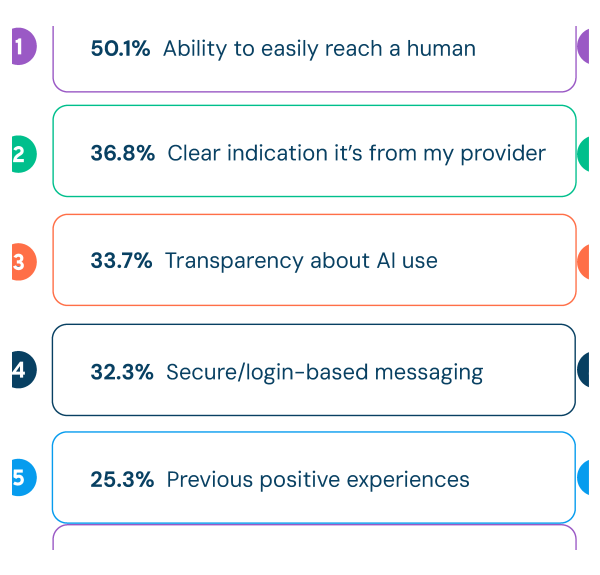
However, unlocking this value requires clear, upfront disclosure. When asked what would increase their trust in digital or AI-based healthcare communications, three of the top five factors rely on transparency.
Human reachability remains foundational. Even tech-optimistic patients require a visible, immediate path to a human agent when automated logic falls short or clinical stakes escalate.
Choice
Personalization on patient terms
Empowering patients to dictate how they connect with their care network is a requirement for modern retention strategy. Channel restriction is a primary vector for patient attrition.
The attrition risk of limited options
A significant 37.9% of all patients are likely to seek a new provider if their channel preferences are ignored. This risk skyrockets among younger demographics, impacting 66.4% of those aged 25–34. Despite the clear risks, only 59% of patients report that their current provider allows them to set communication preferences. This execution gap creates immediate vulnerabilities for patient loss.
Channel preference realities
When given authentic options, patient selections depend heavily on the nature of the interaction:
SMS/Text: The baseline choice for routine logistics (reminders, confirmations, updates).
Phone Calls: Reserved for high-stakes clinical interactions (care changes, test results).
Email: Preferred for self-paced administrative tasks (pre-appointment intake forms).
While 69.9% of patients used the phone and 59.6% used a portal last year, these figures reflect channel availability rather than true preference. Digital apps score nearly as high as phone calls in core preference ratings (2.5 vs. 2.4). Providers building to preferences have a distinct operational advantage.
Demographic fault lines
Sensitivity to channel options varies significantly by employment, age, and education:
Demographic access: Providers offer choice to 69.9% of patients aged 18–44, but that access drops to 50.5% for patients over 65.
Education disparity: Patients holding postgraduate degrees report channel empowerment at rates above 70%, while rates drop below 30% for individuals with some high school education. This disparity highlights a difference in how actively health systems engage different patient populations.
Personalization beyond digital features
Channel availability must be paired with meaningful customization. 75.6% of patients demand personalized notifications, a preference shared by 85% of those aged 25–34 and nearly 70% of patients over 65.
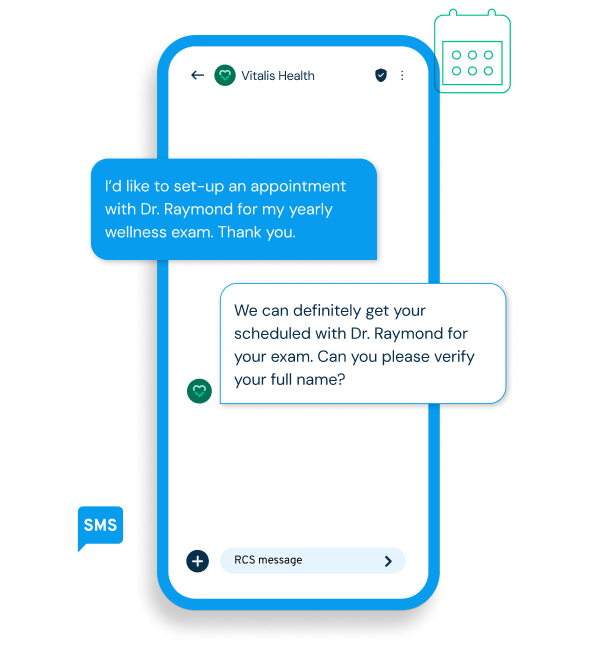
A message addressing a patient by name, verifying their specific physician, and offering a clear, single-click action outperforms generic automation. True personalization represents a holistic commitment to treating the patient as an individual across every digital and traditional touchpoint.
Meeting patients on their own terms
Seamless everyday experiences have rewritten the rules of consumer loyalty. Across every sector, people are quick to abandon brands that disappoint them, and healthcare sits directly inside this unforgiving climate.
Friction and transparency are what make or break patient trust. Where friction exists—a clunky scheduling process, a confusing message, a response that never comes—patients see a sign they aren’t a priority. Transparency is equally critical, yet deeply endangered: across industries, only 4 in 10 consumers believe a company’s use of their data is worth the trade-off, and just 3 in 10 trust organizations to use AI responsibly.² When patients don’t understand what’s happening behind the screen, even excellent clinical care won’t stop them from withholding their trust. Solve for both, and you clear the way for what patients have been asking for all along.
In the end, it all comes down to choice. Choice is what patients exercise when they leave a provider that fails to accommodate them. It’s what they demand when they ask for a say in how they’re reached. And it’s what providers, platforms, and health systems give back when they remove friction and embed transparency into every interaction: the ability for patients to be met on their own terms.
That is the defining opportunity for healthcare in 2026. The organizations that build the infrastructure for real choice, backed by the reliability to earn deep trust, will be the ones patients choose to stay with.
Discover how Bandwidth moves Healthcare communications forward
See how Bandwidth powers patient engagement experiences and contact center infrastructure with reliable voice and messaging.